
Table of Contents
Have you ever spent hours looking for a specific file, only to find three different versions named “Final_Design_v1,” “Final_Design_v2,” and “Final_REAL_Design”? In the world of engineering, this small annoyance can lead to million-dollar mistakes. With an estimated 185 zettabytes of data being generated annually by 2025, keeping track of blueprints, 3D models, and technical specifications is no longer just about being organized—it is about survival.
This is where Engineering Data Management (EDM) comes in. It acts as the central brain for engineering projects, ensuring that the right people have the right information at the exact moment they need it. This guide will walk you through exactly what EDM is, why it is critical for modern teams, and where the technology is heading in 2025.
Defining Engineering Data Management (EDM)
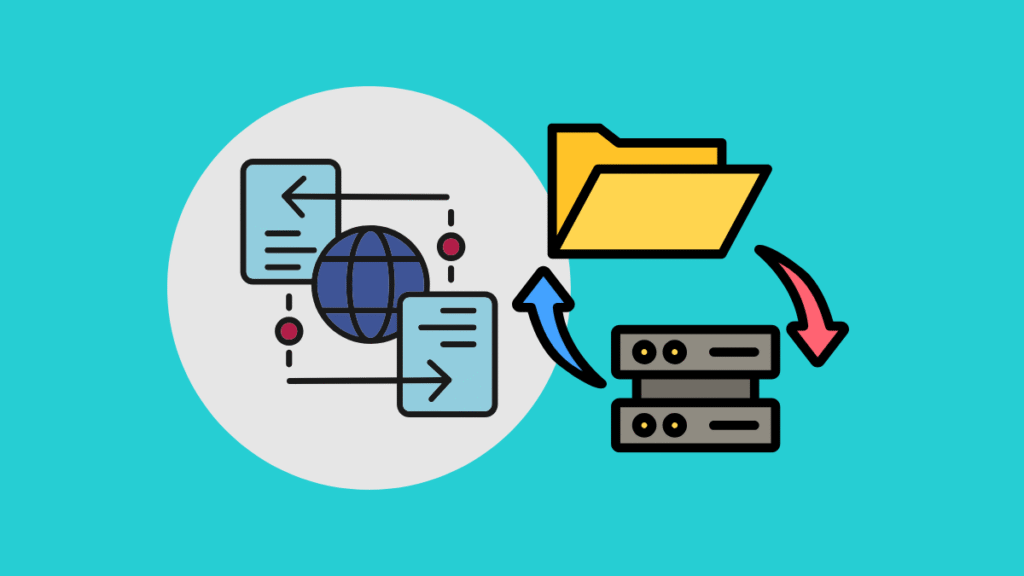
Engineering Data Management is the systematic way of organizing, storing, and controlling the massive amounts of technical data created during an engineering project. Unlike a standard cloud drive (like Google Drive or Dropbox) that stores simple documents, EDM is built specifically to handle complex engineering files.
Engineers create very specific types of files. They don’t just write Word documents; they create complex 3D models (CAD files), massive lists of parts (Bills of Materials), simulation results, and safety specifications. A standard folder on a desktop computer simply cannot handle this.
EDM software acts as a central hub—often called a “Single Source of Truth.” This means that instead of files being scattered across emails, personal hard drives, or USB sticks, everything lives in one secure, intelligent vault. When an engineer needs a drawing, they know exactly where to find the correct, most recent version.
Why Do We Need Engineering Data Management?
You might ask, “Why can’t we just use Google Drive or Dropbox?” While those are great for sharing photos, they struggle with the complex relationships between engineering files.
1. The "Where is that File?" Problem
Studies show that without a proper system, engineers can spend up to 20-30% of their work week just looking for the right document. That is a full day of work wasted every week! EDM solves this by using metadata. Metadata is like a digital tag attached to a file. Instead of digging through folders, an engineer can just search for “Water Pump Pump Project 2025,” and the system instantly finds every drawing, email, and contract related to that specific part.
2. The Version Control Nightmare
3. Protecting Intellectual Property
For engineering companies, their designs are their most valuable assets. If a competitor stole the blueprints for a new electric car battery, it could ruin the business. EDM systems are built with military-grade security. They control exactly who can see, edit, or print a file. They also keep a history log (audit trail), so if a file is deleted or copied, the company knows exactly who did it and when.
How Engineering Data Management Works
An EDM system isn’t just a hard drive in the cloud. It is active software that manages the “lifecycle” of data—from the moment an idea is born until the product is retired. Here is how the process works step-by-step:
1. Data Creation and Capture
Engineers use specialized software to create designs. The EDM system automatically picks up these files. In 2025, this also includes data from “IoT sensors” (smart sensors on machines) that send real-time information about how equipment is performing.
2. Storage and Organization (The Vault)
The system stores files in a secure central location. But it doesn’t just dump them there. It adds “metadata.” Metadata is like a digital tag attached to a file. It tells the system: “This is a water pump design, created by John, for Project X, on January 12th.” These tags make finding files as easy as a Google search.
3. Version Control
This is perhaps the most important feature. When an engineer wants to work on a file, they “check it out” like a library book. The system locks the file so nobody else can change it at the same time. When they are done, they “check it in.” The system saves the new version but keeps the old one just in case. You never have to guess which file is the newest one.
4. Collaboration and Workflow
Engineering is a team sport. An EDM system helps move data between people. For example, once a design is finished, the system can automatically send a notification to the manager saying, “Please review and approve this.” If the manager approves it, the system notifies the factory to start building.
Difference Between EDM, PDM, and PLM
To understand EDM, you have to know how it differs from its cousins: Product Data Management (PDM) and Product Lifecycle Management (PLM). These terms are often used interchangeably, but they serve different purposes.
Engineering Data Management (EDM)
Engineering Data Management (EDM) is the specialist. It focuses deeply on the technical side—managing complex CAD file relationships, engineering change orders, and technical specifications. It is designed for engineers to do their daily work without breaking file links or losing data.
Product Data Management (PDM)
Product Data Management (PDM) is often a subset of EDM or PLM. It focuses specifically on the data related to a product’s components, like parts lists and assembly instructions.
Product Lifecycle Management (PLM)
Product Lifecycle Management (PLM) is the big picture. PLM manages a product’s journey from the very first idea sketch all the way to its retirement and recycling. You can think of PLM as the history book of a product, while EDM is the active workbench where the product is being built.
Key Features of a Modern EDM System
If a company is looking to buy EDM software in 2025, they are looking for specific tools that make life easier.
- Smart Search: You shouldn’t have to remember a complicated file name like “Part_77b_v4.dwg.” You should be able to type “Water Pump Bracket” and find it instantly.
- CAD Integration: The EDM system should live inside the design software. Engineers shouldn’t have to switch between apps to save their work.
- Security and Permissions: Not everyone should see everything. The system ensures that a junior intern can’t accidentally delete the blueprints for the entire building.
- Viewer Tools: Sometimes, a manager or a salesperson needs to look at a 3D model but doesn’t have the expensive design software installed. EDM systems often have built-in viewers that let anyone see the design in a web browser.
The Evolution: EDM in 2025
Technology moves fast. What used to be simple file storage has turned into a high-tech command center. Here are the trends shaping Engineering Data Management right now:
AI and Machine Learning
Artificial Intelligence (AI) is the biggest game-changer. In 2025, AI helps EDM systems “read” the drawings. It can automatically tag files, spot duplicates, or even warn engineers if a design looks weak or dangerous based on past data. It turns the system from a passive storage box into an active assistant.
The Cloud
In the past, companies kept their data on big servers in their own basements. Now, most use the cloud. This allows engineers to work from anywhere—whether they are in the office, at a construction site, or working from home. It means a team in New York can work on the same model as a team in Tokyo, instantly.
Digital Twins
A “Digital Twin” is a virtual replica of a real physical object. For example, a company might have a digital twin of a wind turbine. The EDM system manages the data for this twin. If the real wind turbine starts vibrating too much, the data is sent to the digital twin, and engineers can analyze the problem on their computers without climbing the tower.
Challenges in Engineering Data Management
While EDM sounds amazing, it isn’t always easy to set up. Companies face several hurdles:
- Complexity: Engineering data is complicated. A single machine might have 5,000 parts, and each part has its own drawing and file. Organizing this takes a lot of planning.
- Adoption: People don’t always like change. Engineers who are used to saving files on their desktop might find it annoying to follow the strict rules of an EDM system.
- Data Migration: Moving all the old files from 20 years ago into a modern system is difficult. It’s like trying to play a cassette tape on a smartphone—you have to convert everything first.
Conclusion
So, what is Engineering Data Management? It is the invisible backbone of the engineering world. It ensures that when you cross a bridge, fly in a plane, or use a toaster, the product was built correctly, safely, and efficiently.
In 2025, as products become smarter and more complex, EDM is more important than ever. It allows engineers to stop worrying about where their files are and focus on what they do best: inventing the future. By using these systems, companies can work faster, reduce waste, and bring amazing new ideas to life with confidence. These systems often integrate seamlessly with comprehensive data engineering services to optimize workflows and ensure data integrity across all platforms.